Inherited Watch · Estate · Family Heirloom
Do Right
By the Watch.
And By Yourself.
You inherited a watch and you're not sure what to do with it. You don't know exactly what it is, what it's worth, or who to trust with it. That uncertainty is the most common thing I hear — and it's exactly where this conversation starts.
As seen in
Robb Report
GQ
Hodinkee
Hypebeast
HiConsumption
Glossy
Before You Do Anything Else.
The decisions made in the first few days after an inheritance are often the ones people regret. A watch taken to a jeweler gets a guess. A watch handed to an estate sale company gets a tag price. A watch sold quickly to the first offer gets a fraction of its value — and that fraction is gone permanently.
There is no urgency here that isn't yours. The watch has been in your family for years. Taking a week to understand what you actually have before making any decision is always the right first move.
4
Don't clean it.
1
Original patina, honest wear, and aged surfaces are part of what makes a watch valuable. Cleaning can permanently reduce value. Additionally if the watch is no longer water poof you can potentially introduce water issues.
Don't polish it.
2
Send photos before anything else.
An unpolished case is worth significantly more than a polished one to serious collectors. Once it's done, it cannot be undone.
Gather what you can.
3
Original box, papers, receipts, photographs of it being worn. Any documentation that exists adds to the story — and the value.
A few clear photos — dial, case back, bracelet — is enough for me to tell you what you're looking at. No commitment required.
Situation 01
You Have No Idea What It Is.
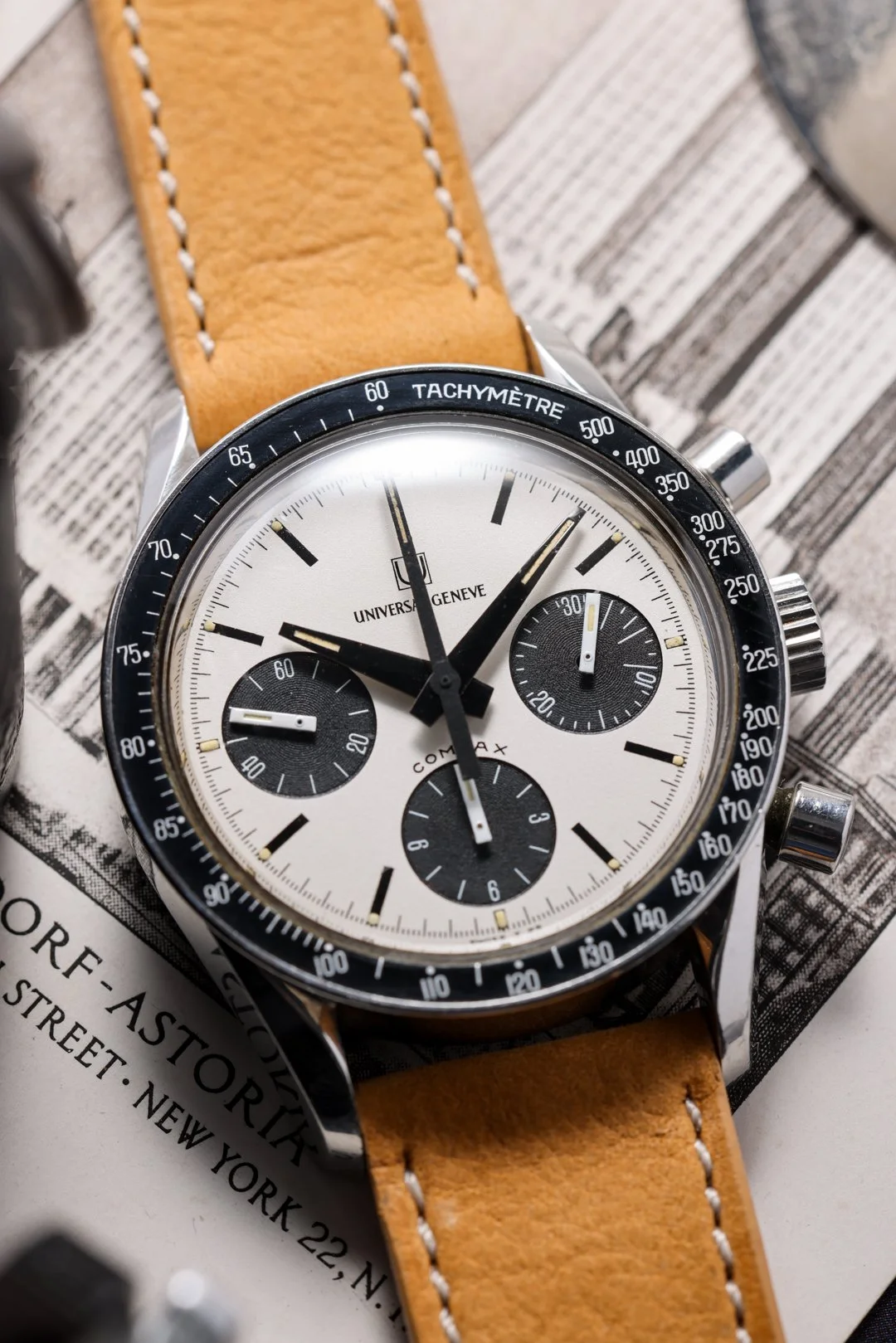
"There's a watch in the estate. I don't know the brand, the model, or whether it's worth anything at all."
This is the most common starting point. A watch surfaces in an estate and nobody in the family knows what they're looking at. It might be significant. It might not be. The only way to know is to ask someone who does.
Send me photos. I'll identify it, tell you what it is, what it's worth in today's private market, and what the right path forward looks like. That information is yours regardless of what you decide to do next — and it costs nothing to have it.
Situation 02
You Know the Brand but Not the Value.
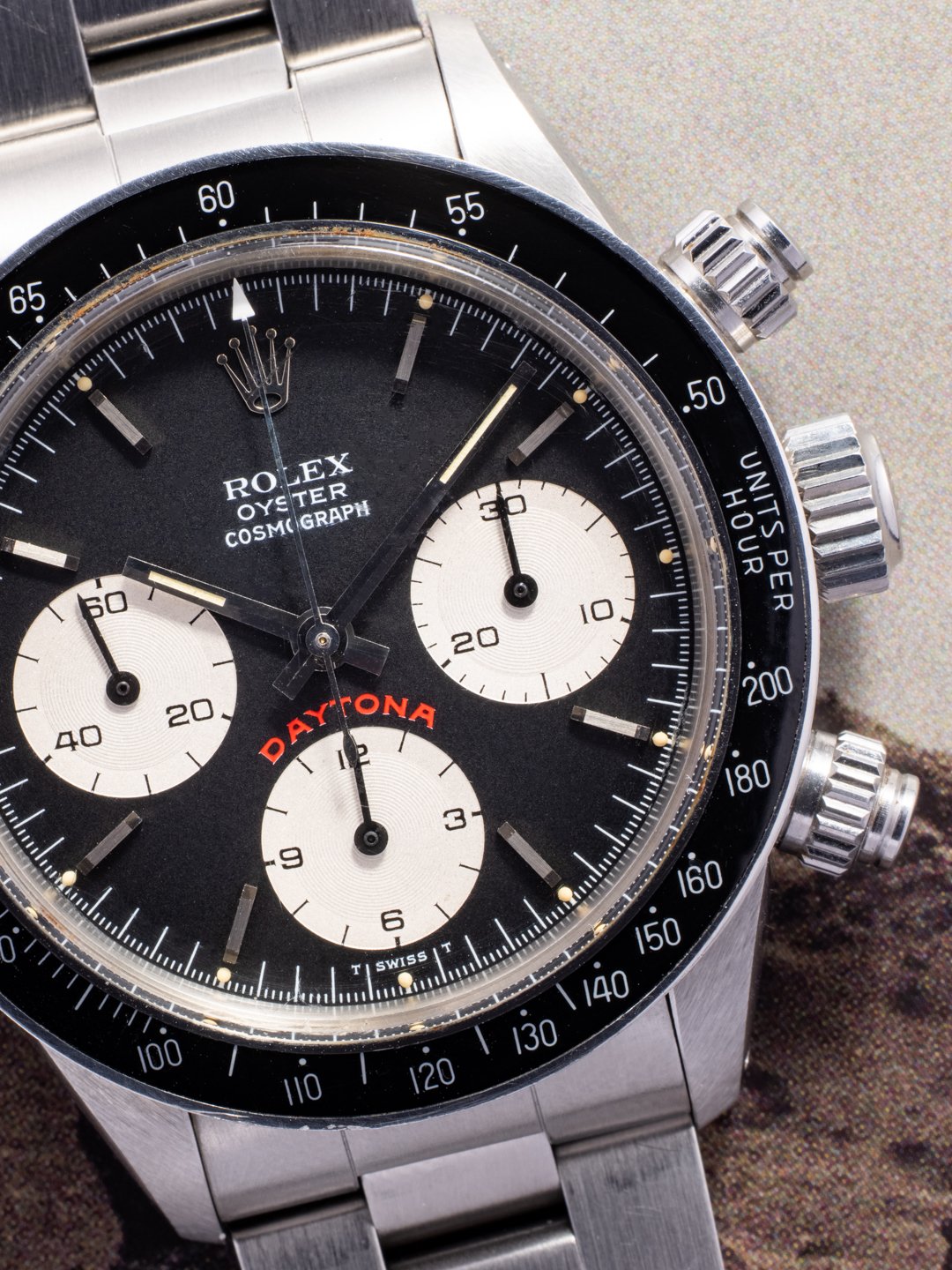
"It's a Rolex Daytona. I know it's something — I just don't know what it's actually worth or what to do with it."
Knowing the brand is a starting point but it's rarely the whole picture. Within Rolex alone, the difference between references — and between the same reference in different conditions — can be tens of thousands of dollars. Brand recognition is not the same as market knowledge.
The reference number, the condition of the dial, whether the case has been polished, whether original paperwork exists — these details move the number significantly. A five-minute conversation with the right person is worth more than a dozen guesses from the wrong ones.
Situation 03
You Know What It Is but You're Not Sure What to Do With It.
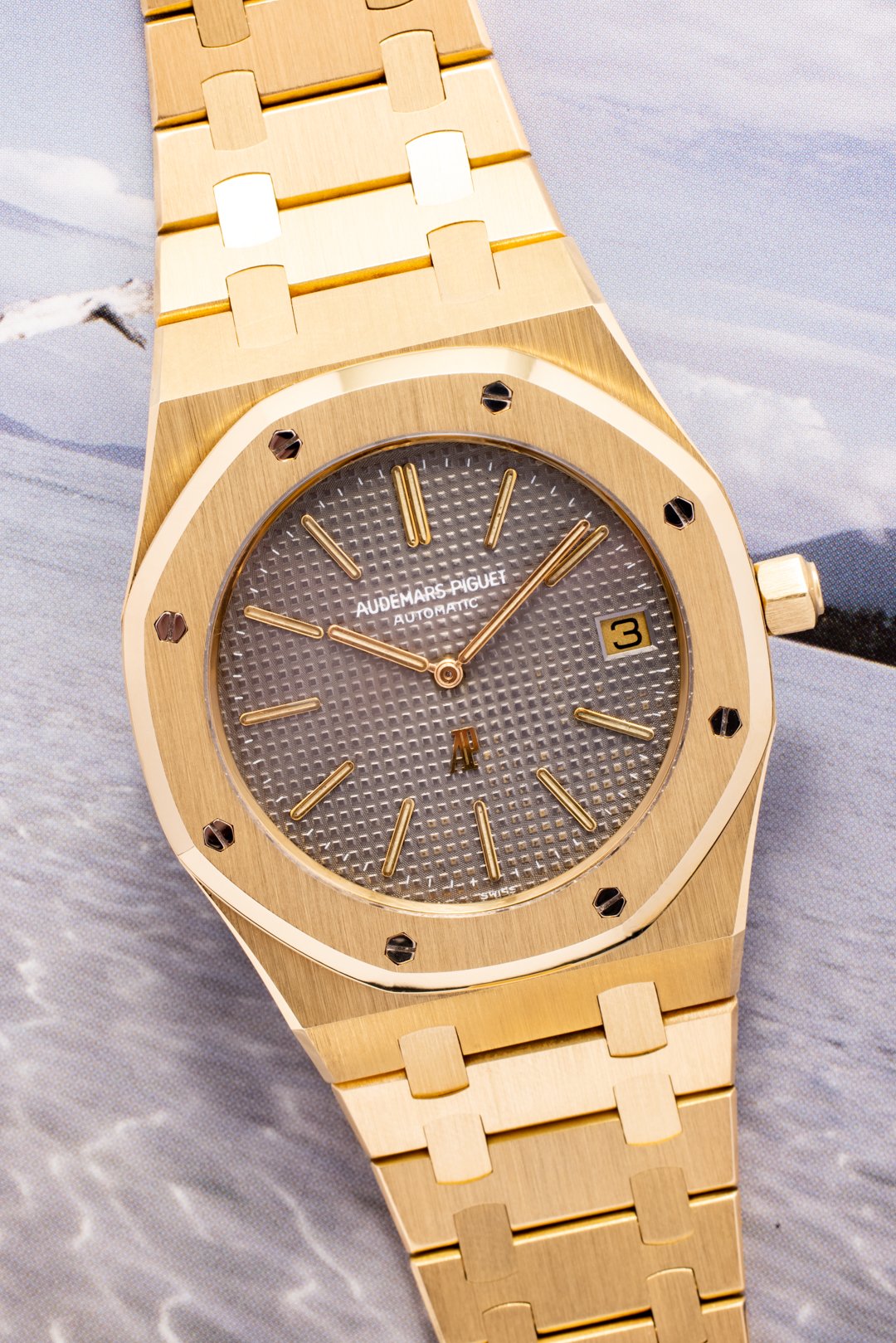
"I know it's significant. I'm just not sure whether to keep it, sell it, or what the right process looks like."
This is often where the most significant decisions get made poorly. A watch that's clearly valuable attracts advice from everyone — family members, financial advisors, estate attorneys — most of whom don't know the private watch market specifically. The right decision depends on the watch, the current market, and your situation — not on general advice.
I'll give you an honest assessment of what the watch is worth right now, what it's likely to be worth in the future, and which path — selling privately, consigning, or holding — makes the most sense for your specific circumstances. No pressure. No agenda except getting it right.
HOW SELLING WORKS
There is no pressure and no timeline except yours. The process is designed to give you complete information before any decision is made — because the right decision is impossible without it.
4
Send photos.
1
Dial, case, bracelet. Any paperwork, box, or documentation you have. I'll respond within 48 hours with an identification and initial assessment.
Get the real number.
2
Decide what’s right.
What it's actually worth in today's private market. What condition factors are affecting the value. What provenance documentation would strengthen it further.
Understand your options.
3
Outright sale, consignment, private placement, or hold. I'll tell you which makes the most sense for your specific watch and your specific situation.
Sell to me, sell elsewhere, or do nothing. The information is yours to keep regardless of what you decide. No pressure. No obligation.

Start With the
Right Conversation.
Send me photos or get in touch. I'll tell you exactly what you have, what it's worth, and what the right path forward looks like. That conversation costs nothing and changes everything that comes after.